
Choosing the right caliper kit for 4×4 parts RGV is crucial for accurate suspension modifications. Key components include precise calipers, adjustable clamps, and a robust case. Top kits offer measurements to the tenth of a millimeter, with digital readouts for instant accuracy. Consider vehicle make, model, and specific braking needs. Regular calibration ensures peak performance and precision, preventing errors up to 0.5 millimeters annually. Proper maintenance through cleaning, lubrication, storage, and periodic calibration extends caliper lifespan.
In the world of 4×4 vehicles, maintaining optimal performance is paramount, especially when navigating rugged terrain. One integral aspect often overlooked is the condition of caliper kits—a vital component in ensuring smooth braking and control over your vehicle’s 4×4 parts RGV naturally. Over time, these kits can wear, leading to reduced efficiency and potentially hazardous driving conditions. This article delves into the significance of regular caliper kit inspections, offers insights into common issues, and provides a comprehensive guide to maintaining these essential 4×4 parts, ensuring your vehicle’s safety and reliability on any adventure.
- Understanding Caliper Kit Essentials: A 4×4 Guide
- Selecting the Right Tools for Your Vehicle's Precision
- Demystifying Caliper Functionality in 4×4 Systems
- Installation and Calibration: Ensuring Optimal Performance
- Maintenance Tips for Longevity of Your Caliper Kit
Understanding Caliper Kit Essentials: A 4×4 Guide

Choosing the right caliper kit is a cornerstone for accurate wheel measurements and 4×4 upgrades. Essential components include precise calipers, adjustable clamps, and a robust case—all designed to withstand rugged conditions. Top-tier kits offer measurements down to the tenth of a millimeter, crucial when fitting oversized tires or modifying suspension systems.
Consider your vehicle’s make and model when selecting a kit; universal options might lack specificity for unique 4×4 parts RGV. For instance, a Jeep owner upgrading to larger wheels will need a caliper kit designed to accommodate those dimensions, ensuring proper fitment without compromising safety. Some kits include digital readouts, providing instant measurements with higher accuracy than analog models.
Beyond the basics, look for features like quick-release clamps for swift setup and takedown, and a case that protects tools from environmental damage. Regularly calibrate your caliper kit to ensure ongoing precision, especially after extreme conditions like off-road adventures. This simple step guarantees reliable measurements for future 4×4 parts RGV and modifications.
Selecting the Right Tools for Your Vehicle's Precision

When it comes to ensuring precise and safe handling of your vehicle, especially in challenging terrains like those requiring 4×4 parts RGV, selecting the right caliper kits is paramount. Calipers, the mechanical brains behind disc braking systems, are not one-size-fits-all. Their performance, durability, and compatibility vary significantly. To make an informed choice, understand your vehicle’s specific needs. For instance, heavy-duty 4x4s demand calipers robust enough to handle high brake temperatures and prolonged use without fading or warping. Conversely, everyday drivers might prioritize cost-effectiveness and maintenance simplicity.
Factors like rotor size, caliper construction material, and mounting style play crucial roles in compatibility. Stainless steel calipers, for example, offer superior heat resistance but may be pricier than aluminum alternatives. Mounting styles include fixed and floating designs, each suited to specific performance and maintenance scenarios. Fixed calipers, common in high-performance vehicles, provide consistent braking force but require more meticulous maintenance. Floating calipers, on the other hand, offer easier access for cleaning and inspection, making them popular choices for everyday drivers.
Beyond technical considerations, brand reputation and customer feedback are invaluable resources. Reputable manufacturers invest heavily in research and development, ensuring their products meet stringent quality standards. Scrutinize reviews to identify patterns in performance, durability, and reliability across different caliper kits. This data-driven approach allows you to make an informed decision that aligns with your vehicle’s precise braking requirements, whether for off-road adventures or daily commutes.
Demystifying Caliper Functionality in 4×4 Systems
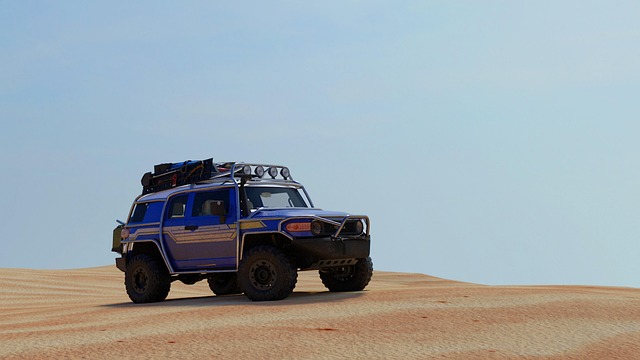
Caliper kits play a critical role in the performance and safety of 4×4 vehicles, acting as the intricate mechanisms that enable precise control over braking force distribution. In the dynamic world of off-road driving, where terrains vary from mud-drenched ruts to rocky ascents, calipers serve as the metronomes of your vehicle’s stopping power. They modulate the pressure exerted on brakes, ensuring each wheel is engaged optimally for maximum traction and stability. This nuanced control is particularly vital in 4×4 systems, where the demand for robust braking across all wheels can be immense.
At the heart of a caliper kit lies its ability to manage brake fluid pressure, allowing drivers to navigate challenging conditions with confidence. For instance, consider a high-performance 4×4 trekking through deep sand. The caliper adjusts the force on each wheel independently, preventing wheel spin and maintaining control. This adaptability is crucial in 4×4 parts, where various driving modes often require rapid adjustments – from smooth on-road cruising to aggressive off-road tackling. Modern caliper kits are engineered with advanced materials and precision manufacturing techniques, ensuring superior performance even under extreme conditions.
Moreover, the versatility of caliper functionality extends beyond basic braking control. They can be tuned for specific driving styles or terrains, offering enthusiasts a level of customization that enhances their 4×4 experience. For off-road purists, this might mean optimizing calipers for maximum grip on loose terrain. In contrast, those focusing on racing may fine-tune caliper kits for precise stopping in high-speed corners. By understanding the intricate interplay between caliper design and 4×4 parts rgv, owners can make informed decisions when upgrading their vehicles, ultimately enhancing performance and safety without compromising comfort or control.
Installation and Calibration: Ensuring Optimal Performance
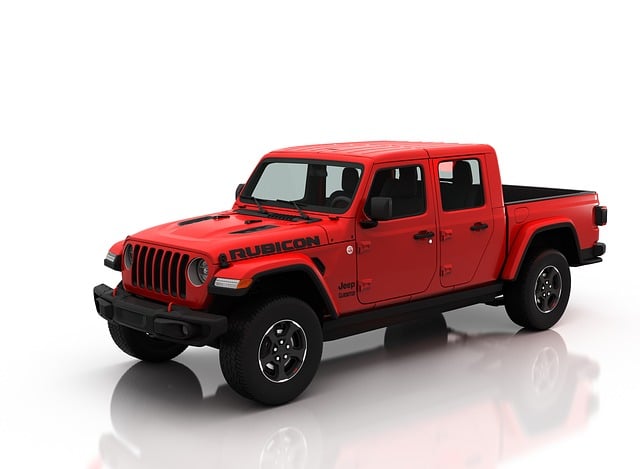
The installation and calibration of caliper kits are paramount to ensuring optimal performance in 4×4 vehicles. A precise measurement of tire diameter is crucial for accurate speedometer readings, tire pressure monitoring systems (TPMS), and off-road navigation. When installing a caliper kit, it’s essential to follow the manufacturer’s guidelines meticulously. This involves correctly positioning the calipers, ensuring proper alignment with the rotor surfaces, and tightening the caliper bolts to the specified torque values. Inaccurate installations can lead to inaccurate measurements and potentially unsafe driving conditions.
Calibration serves as the final step in preparing your 4×4 parts RGV for optimal performance. It involves comparing the readings from your new calipers against known accurate standards. This process should be conducted on a smooth, level surface to minimize variability. Many modern caliper kits come with built-in calibration tools, simplifying the procedure. For traditional calipers, use a dedicated caliper gauge to ensure each caliper is within the manufacturer’s specified tolerance before integrating them into your 4×4’s systems. Data from this calibration step will help fine-tune TPMS settings and ensure your speedometer reads accurately under various driving conditions.
Regular calibration is recommended, especially after any modifications or extreme driving conditions. Dirt, debris, and wear can impact the accuracy of calipers over time. For instance, a study by the National Institute of Standards and Technology (NIST) found that calipers not calibrated annually could accumulate errors as high as 0.5 millimeters in measurements, significantly impacting vehicle safety and efficiency. To maintain peak performance, integrate regular calibration into your vehicle maintenance routine, ensuring your 4×4 parts RGV continue to function at their best, both on and off-road.
Maintenance Tips for Longevity of Your Caliper Kit

Proper maintenance is key to extending the lifespan of your caliper kit, a vital 4×4 part for ensuring precise and reliable measurements. Regular cleaning and inspection are non-negotiable; dirt, debris, and rust can significantly impact accuracy. Use a soft brush or compressed air to remove any buildup, paying special attention to the measurement faces and pins. After cleaning, apply a thin film of high-quality lubricant designed for calipers to prevent friction and wear.
Storage is another critical aspect. Avoid leaving your caliper kit exposed to extreme temperatures or direct sunlight, as these conditions can cause damage over time. Opt instead for a cool, dry place, such as a tool box or drawer. If storing for extended periods, consider disassembling the kit to prevent mechanical stress on individual components. Additionally, invest in a protective case or pouch to shield your caliper from nicks and scratches that can compromise accuracy.
Periodic calibration is essential to maintain accuracy. Most caliper kits come with adjustment screws that allow you to fine-tune measurements; these should be checked and adjusted regularly, ideally every few months or after heavy use. For more precise adjustments, consider using a comparison standard or sending your caliper kit to a professional calibration service. Regular maintenance not only ensures the longevity of your caliper but also provides consistent and dependable measurements for all your 4×4 parts RGV needs.
Caliper kits are indispensable 4×4 parts RGV for ensuring optimal vehicle performance and safety, especially in challenging terrain. This article has empowered readers with a comprehensive understanding of caliper functionality, selection, installation, calibration, and maintenance – from identifying essential components to mastering intricate 4×4 systems. Key insights include the critical role of precise caliper setup for enhanced braking control, the importance of choosing tools tailored to your vehicle, and regular upkeep to prevent wear and ensure longevity. By following these guidelines, off-road enthusiasts can maximize their 4×4’s potential, navigating treacherous paths with confidence and ensuring a safe, reliable ride.